


 Tiếng Việt
When ordering reusable bags large in bulk, one of the most critical decisions isn’t the color or the size; it’s the material. Choosing the right material ensures the bag is durable enough for repeated use, fits its intended purpose, and, more importantly, conveys the right brand message to your consumers.
In this article, WEPAC will provide an in-depth analysis of the pros and cons of the three most popular materials today, PP woven, non-woven, and RPET, to help your business make the most informed choice for your next order.
Is it mandatory for businesses to use reusable bags large?
Before diving into materials, it is essential to define what large actually means, as this criterion directly influences which material will be the most suitable fit.
What defines reusable bags large?
A reusable bag is designed for multiple uses rather than being discarded after a single trip. This is a sustainable packaging solution being adopted by Businesses worldwide to meet environmental commitments and responsible consumption trends. Contact WEPAC to discuss the most suitable reusable bag solution for your market.
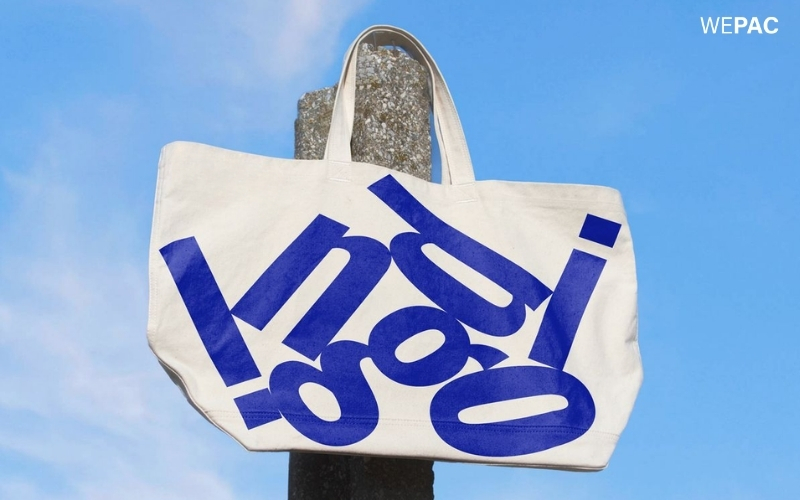
In the packaging industry, large is understood through two dimensions: the actual dimensions of the bag and its maximum load-bearing capacity.
- Dimensions: A width of 38cm or more, a height of 40cm, and a gusset (bottom) starting from 15cm, spacious enough for groceries, apparel, or bulky household items.
- Capacity: From 10kg to 25kg, depending on the material and bag structure.
- Handles: Usually longer for shoulder-carry convenience, made from PP webbing or the same fabric as the bag body.
Which markets prioritize using reusable bags large?
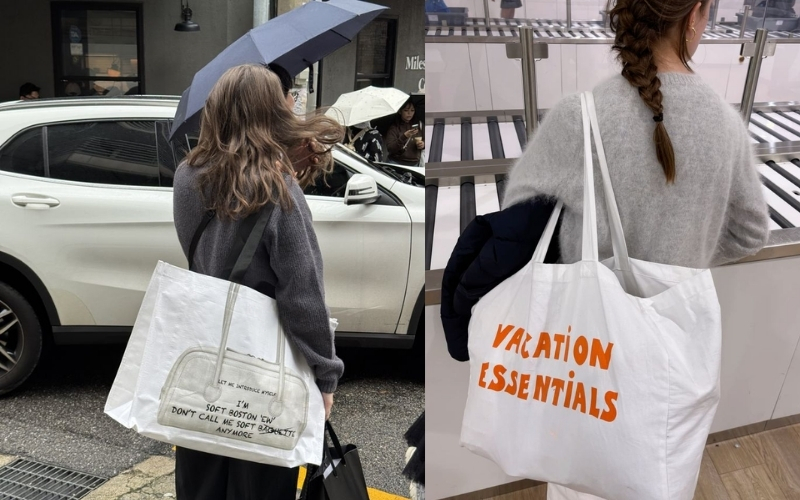
The demand for reusable bags large comes from various sectors and regions, particularly in markets under significant pressure from single-use plastic restriction policies.
In Europe, plastic packaging regulations are tightening. The EU Single-Use Plastics Directive, in effect since 2021, has forced many retailers to seek sustainable alternatives. In North America, pressure stems from both policy and consumer sentiment, especially in California, Canada, and coastal states, where anti-plastic movements are strongest. Meanwhile, Japan and South Korea are in an active transition phase with numerous national-level programs encouraging reusable bags. Southeast Asian markets such as Vietnam, Thailand, and Indonesia are also beginning to face similar pressure from international retail corporations.
Is PP woven the best material for reusable bags large?
PP woven has long been the premier choice due to its superior durability and exceptional load-bearing capacity.
Why does PP woven support heavier loads than other materials?
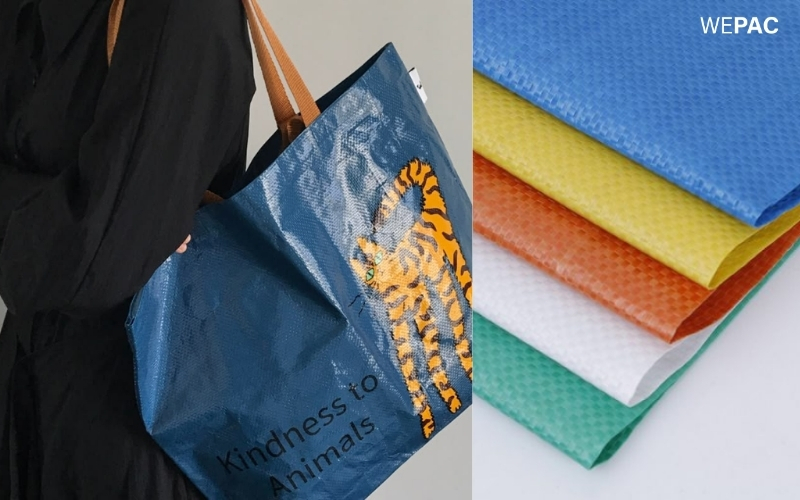
PP woven is crafted from polypropylene, a thermoplastic polymer known for its high mechanical strength. During the manufacturing process, PP resin is extruded into thin tapes, which are then interlaced in a perpendicular mesh structure, similar to traditional weaving but using synthetic materials. This interwoven structure allows for even force distribution across the bag’s surface, giving PP woven a significant edge in strength over non-woven fabrics.
- Fabric weight: 90-180gsm, suitable for both lightweight shoppers and industrial-grade bags.
- Load capacity: Up to 25kg, the highest among the three material types.
- Laminated surface: Glossy or matte finishes that ensure vivid print colors and excellent water resistance.
- Printing technique: Gravure printing allows for sharp, vibrant imagery with up to 8 colors.
- Endurance: Capable of withstanding harsh transit conditions without tearing or deforming easily.
At WEPAC, the entire PP woven production process is vertically integrated, from tape extrusion and weaving to lamination, gravure printing, sewing, and final packaging. Explore our PP woven shopping bag solutions for global retailers.
Which industries benefit most from PP woven reusable bags large?
PP woven maximizes its advantages when bags are required to carry heavy loads and withstand frequent, long-term use.
- Major supermarket chains: Ideal for weekly grocery bags that hold heavy food items and household supplies. See our heavy-duty PP woven bag designs for retail applications.
- Agriculture and food industries: Perfect for sacks containing rice, fertilizer, or grains with capacities ranging from 10-50kg.
- Hardware and construction retailers: Essential for sturdy bags that need to resist sharp objects or jagged edges. Explore our heavy-duty PP woven shopping bags for demanding applications.
- European and North American export markets: Targeted at regions where consumers prioritize longevity and long-term reusability.
Can non-woven PP meet the requirements for reusable bags large?
Rather than a direct quality comparison, Non-Woven PP should be viewed as a material solution specifically engineered to balance performance with a business’s investment costs.
Key characteristics of non-woven PP in packaging production
Unlike its woven counterpart, non-woven PP does not undergo a weaving process. Learn more about how PP non-woven bags are manufactured from fiber to finished products. Instead, polypropylene fibers are bonded together through thermal, chemical, or mechanical treatments, resulting in a fabric that is smooth, uniform, and significantly lighter. The most prevalent method is Spunbond, where PP fibers are extruded directly from molten resin and pressed into continuous sheets, allowing for high-speed production, lower costs, and precise control over fabric weight.
- Fabric weight: 70-180gsm, flexibly adjustable to specific requirements. Learn more about how PP non-woven fabric is produced.
- Load capacity: 5-10kg, ideal for lightweight to medium-weight goods.
- Surface finish: Available in glossy/matte lamination or left as a natural textured surface.
- Printing techniques: Supports both Gravure and Silk Screen printing, offering flexibility for both complex and simple designs.
- Production cost: More cost-effective than PP Woven, making it ideal for short-term campaigns or limited budgets.
- Customization: Easily sewn into various styles, including tote bags, D-cut, box-bottom bags, and garment covers.
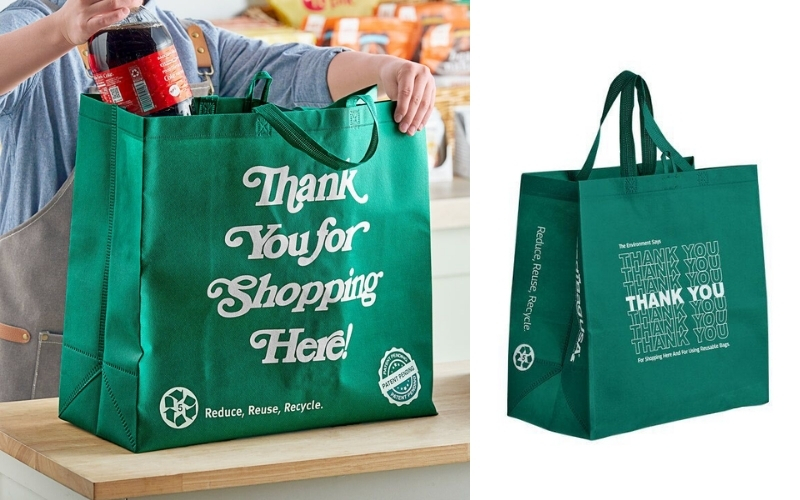
When should your brand choose non-woven PP reusable bags large?
Non-woven PP is the ultimate solution for balancing investment costs, aesthetic value, and design flexibility. It is the top choice for many WEPAC partners for branding campaigns that require rapid market penetration and high-definition printing on a large scale.
- Marketing campaigns and events: The perfect choice for gift bags and trade show totes that demand striking designs and sharp printing to create a powerful brand impression.
- Fashion and mid-range retail: Suitable for apparel bags or specialized garment covers, elevating the shopping experience while remaining economically viable.
- Small and medium enterprises (SMEs): An optimal solution for standardizing brand identity through packaging, balancing limited budgets with professional requirements.
- Domestic and Asian markets: Well-suited for markets where price competitiveness is prioritized, helping businesses optimize operational costs without compromising on stable quality.
RPET emerges as the top choice for reusable bags large
In recent years, RPET has rapidly become the most sought-after material for brands with a commitment to sustainability, particularly within the European and North American markets.
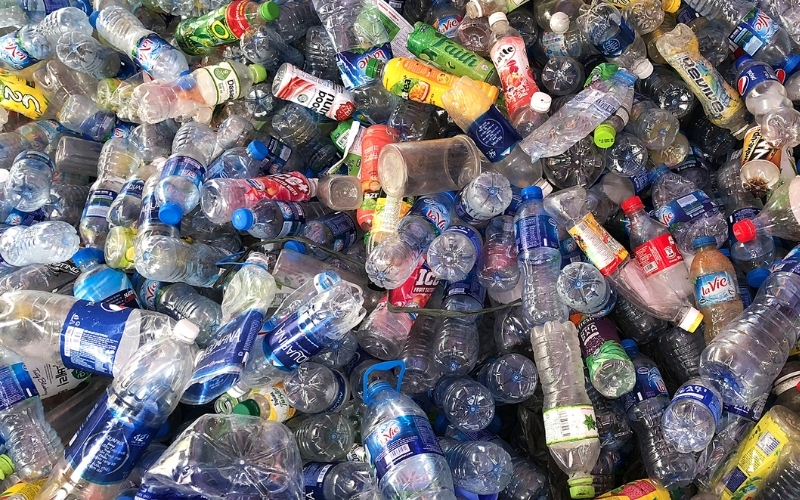
What is RPET and what makes it stand out?
RPET (Recycled Polyethylene Terephthalate) is a fabric repurposed from used PET plastic bottles. Discover our custom RPET reusable bags for sustainable retail packaging. The process begins with collecting and sorting plastic bottles, which are then crushed into flakes, cleaned, and extruded into recycled resin pellets. From these pellets, polyester fibers are spun and either woven or pressed into fabric sheets. This creates a material with mechanical properties comparable to virgin polyester but with a significantly lower carbon footprint. Every reusable bag large made of RPET represents a second life for plastic bottles that would otherwise end up in landfills or oceans.
- Material origin: 100% recycled from post-consumer PET bottles.
- Certifications: GRS (Global Recycled Standard) certified, the international benchmark for recycled materials.
- Fabric weight: 100-170 GSM.
- Load capacity: 5-8kg; while lighter than PP Woven, it is sufficient for most retail applications.
- Surface finish: Available in glossy or matte lamination, supporting high-definition gravure printing.
- Marketing edge: Each bag carries a compelling recycling narrative that brands can share with their customers.
WEPAC’s RPET bags are manufactured under GRS, BSCI, and ISO 9001:2015 standards, ensuring full material traceability and meeting the stringent inspection requirements of EU and North American importers.
Which brands should choose RPET reusable bags large?
RPET is more than just a material; it is a statement of brand values. This material is best suited for businesses building a serious and consistent green image.
- Brands with ESG commitments or Net Zero goals: RPET serves as concrete, verifiable evidence for sustainability reporting.
- Retailers exporting to the EU: Where green packaging regulations are tightening and consumer environmental expectations are high.
- Premium fashion, cosmetic, and lifestyle brands: RPET bags combine high-end aesthetics with a profound brand story.
- Earth Day and Green campaigns: When a brand needs a promotional product that is both visually striking and meaningful.
Conclusion
In the packaging industry, there is no absolute best material, only the one that best aligns with your strategic objectives. PP woven is the ultimate solution when heavy-duty load capacity and long-term durability are the top priorities. Non-woven PP takes the lead in flexibility, optimizing costs and adapting perfectly to short-term campaigns. Meanwhile, RPET stands as a powerful manifesto for brands building a sustainable legacy, requiring a material that tells a persuasive story to the consumer.
At WEPAC, all three material lines are produced directly at our Thai Binh factory complex with a breakthrough capacity of 12 million bags per month, fully complying with rigorous international standards such as GRS, BSCI, and ISO 9001:2015. From material consultancy and design support to professional export-import documentation, contact our export team for tailored packaging solutions and OEM/ODM support.